Which type of monocrystalline solar photovoltaic panel is better
Welcome to our dedicated page for Which type of monocrystalline solar photovoltaic panel is better! Here, we have carefully selected a range of videos and relevant information about Which type of monocrystalline solar photovoltaic panel is better, tailored to meet your interests and needs. Our services include high-quality Which type of monocrystalline solar photovoltaic panel is better-related products and solutions, designed to serve a global audience across diverse regions.
We proudly serve a global community of customers, with a strong presence in over 20 countries worldwide—including but not limited to the United States, Canada, Mexico, Brazil, the United Kingdom, France, Germany, Italy, Spain, the Netherlands, Australia, India, Japan, South Korea, China, Russia, South Africa, Egypt, Turkey, and Saudi Arabia.
Wherever you are, we're here to provide you with reliable content and services related to Which type of monocrystalline solar photovoltaic panel is better, including cutting-edge solar energy storage systems, advanced lithium-ion batteries, and tailored solar-plus-storage solutions for a variety of industries. Whether you're looking for large-scale industrial solar storage or residential energy solutions, we have a solution for every need. Explore and discover what we have to offer!
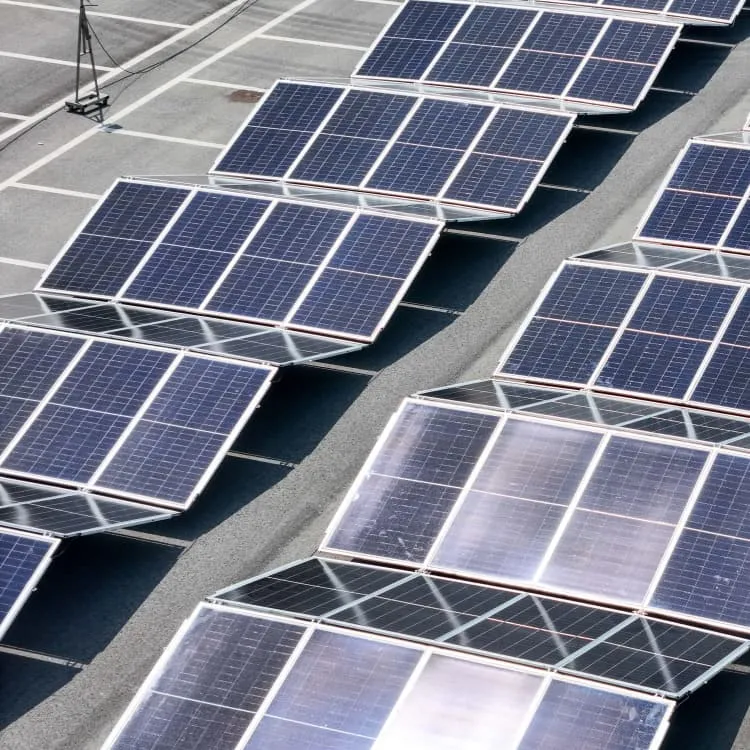
Monocrystalline vs. Polycrystalline vs. Thin-Film: Which Solar Panel
For maximum efficiency and long-term savings → Choose monocrystalline panels, ideal for homes and businesses needing high performance. For a budget-friendly option with
Types of Solar Panels: Monocrystalline vs Polycrystalline vs Thin
Monocrystalline solar panels are made from a single crystal structure, typically silicon, which allows for higher efficiency. Polycrystalline solar panels, on the other hand, are
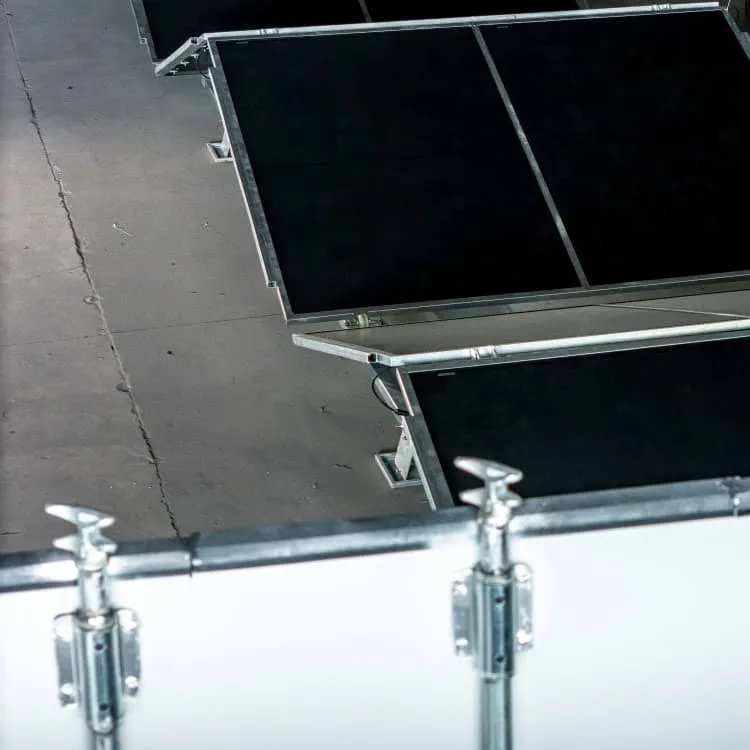
Monocrystalline vs Polycrystalline (Multicrystalline): Definition,
In general, monocrystalline is a better choice for residential panels than polycrystalline. This is largely due to the superior efficiency of monocrystalline panels, which
Monocrystalline vs. Polycrystalline Solar Panels: Which Is Better?
But with various types available, one key question often arises: Monocrystalline vs. Polycrystalline solar panels — which is better? In this article, we''ll explore the differences,
FAQs 6
Are polycrystalline solar panels better than monocrystalline?
Because monocrystalline panels tend to cost about $0.05 per watt more, the polycrystalline units are a better value, as long as you have enough space for the panels. Polycrystalline solar panels work better in areas that are rich in sunlight since they deliver less wattage than the panels.
What is a monocrystalline solar panel?
Monocrystalline solar panels have black-colored solar cells made of a single silicon crystal and usually have a higher efficiency rating. However, these panels often come at a higher price. Polycrystalline solar panels have blue-colored cells made of multiple silicon crystals melted together.
What is the difference between monocrystalline and thin-film solar panels?
This means they can convert a larger percentage of sunlight into electricity compared to polycrystalline and thin-film panels. Space Efficiency: Due to their high efficiency, monocrystalline panels require less space to produce the same amount of electricity.
Can you mix polycrystalline and monocrystalline solar panels?
Yes, it is technically possible to mix polycrystalline and monocrystalline solar panels, but several conditions must be met. First, it is best if the two types of panels come from the same manufacturer. Second, the voltage of the panels needs to be the same.
Are monocrystalline solar panels expensive?
Among all types of PV solar panels types, monocrystalline is definitely the most expensive one to produce. This is due to the fact that the process of manufacturing monocrystalline solar cells is very energy-intensive and produces a big amount of silicon waste. How Expensive are Polycrystalline Solar Panels?
Are polycrystalline solar panels the cheapest option?
Historically, polycrystalline panels have been the cheapest option for homeowners going solar, without majorly sacrificing panel performance. Low prices allowed polycrystalline panels to make up a significant market share in residential solar installations between 2012 and 2016.
Random Links
- How big is the energy storage container for a 5MW base station
- Lebanon container power generation manufacturer
- Ghana Energy Storage Cabinet Customized Manufacturer
- Australia s grid-side energy storage
- What is a Civilian Energy Storage System
- Finland 22kw high-quality inverter manufacturer
- Can private energy storage batteries be profitable
- What size is a 250w photovoltaic panel
- Qatar Communications has now built 5G base stations
- How many volts are used to charge a lithium battery pack
- Installing solar panels on rural tiled houses
- Battery energy storage cabinet installation in France
- Huawei photovoltaic and inverter brand
- Home charging and energy storage equipment
- Energy Storage Battery Voltage Selection
- Vietnam Mobile Energy Storage Site Wind Power Planning
- Canadian Communications Energy Storage Battery
- Iceland battery cabinet manufacturer
- How much does an outdoor battery cabinet cost
- Solar panels plus inverter
- Is wind and solar complementarity a good option for communication base stations
- Accelerate new energy storage
- Is a high-power inverter useful
- Photovoltaic and energy storage investors
- Kiribati Energy Storage Technology Project
- Niger Outdoor Energy Storage Power Communication BESS Company
- Somalia wind power storage battery manufacturer
- Island independent photovoltaic solar power generation for home use
- Libya photovoltaic energy storage 15kw inverter sales
- Price of 2MW energy storage